
A career in Health and Social Care opens the door to a wide range of rewarding opportunities. Whether you want to support people in their own homes, work in specialist centres, or help individuals live more independently, there are many different paths you can take.
At EKC Folkestone College, you can gain the skills and real-world experience needed to step confidently into the sector. Through placements and hands-on learning, discover which environments suits you best, and just how varied a career in care can be.
Residential care

Residential or adult care homes are one of the most well-known care settings. These environments support individuals who need ongoing care, including older adults, people with disabilities, or those with complex needs.
Typical roles:
- Care Assistant
- Support Worker
- Senior Care Worker
In these roles, you may help with:
- Personal care (washing, dressing)
- Medication support
- Emotional wellbeing and companionship
This setting is ideal for those who enjoy building strong relationships with the people they support and making a difference in their daily lives.
Domiciliary (home) care
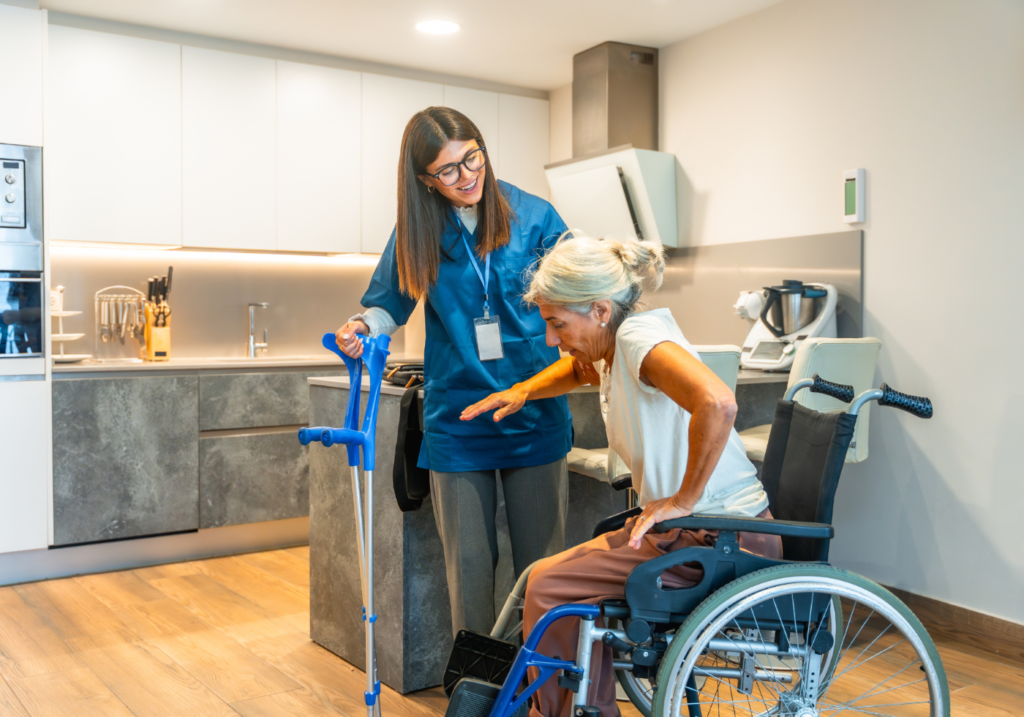
Domiciliary care involves supporting individuals in their own homes, helping them maintain independence while receiving the care they need.
Typical roles:
- Domiciliary Care Worker
- Home Care Assistant
Responsibilities can include:
- Visiting clients in their homes
- Supporting with meals and household tasks
- Assisting with personal care
This role suits individuals who enjoy working independently and building trust with clients in a one-to-one setting.
Day centres and community settings

Day centres provide a safe, welcoming space for individuals with learning disabilities, mental health needs, or additional support requirements. These settings focus on social interaction, skill-building, and wellbeing.
Typical roles:
- Support Worker
- Activity Coordinator
In this environment, you might:
- Organise activities such as arts, music, and gardening
- Encourage social interaction
- Help individuals develop independence and confidence
This type of setting is perfect for those who enjoy creativity, teamwork, and helping others build confidence.
Supported/assisted living
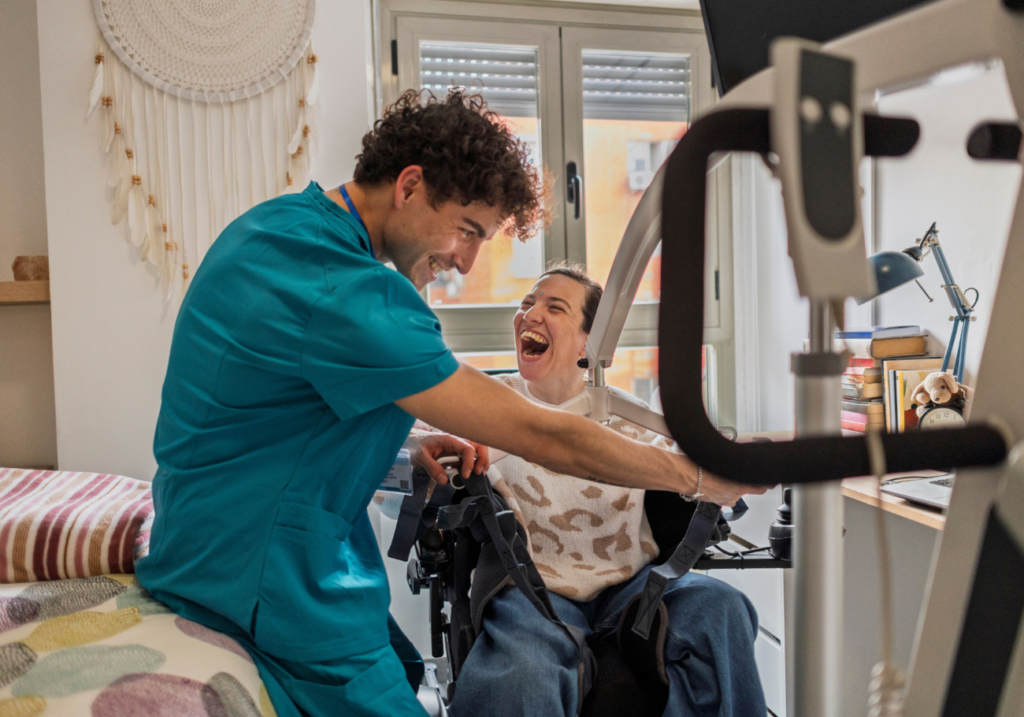
Supported living services help individuals live as independently as possible, often in shared housing or their own accommodation.
Typical roles:
- Support Worker
- Key Worker
In this role, you may:
- Support daily routines such as cooking and budgeting
- Help individuals access the community
- Promote independence and life skills
This setting is ideal for those who are passionate about empowering individuals and supporting long-term independence.
Healthcare and clinical settings
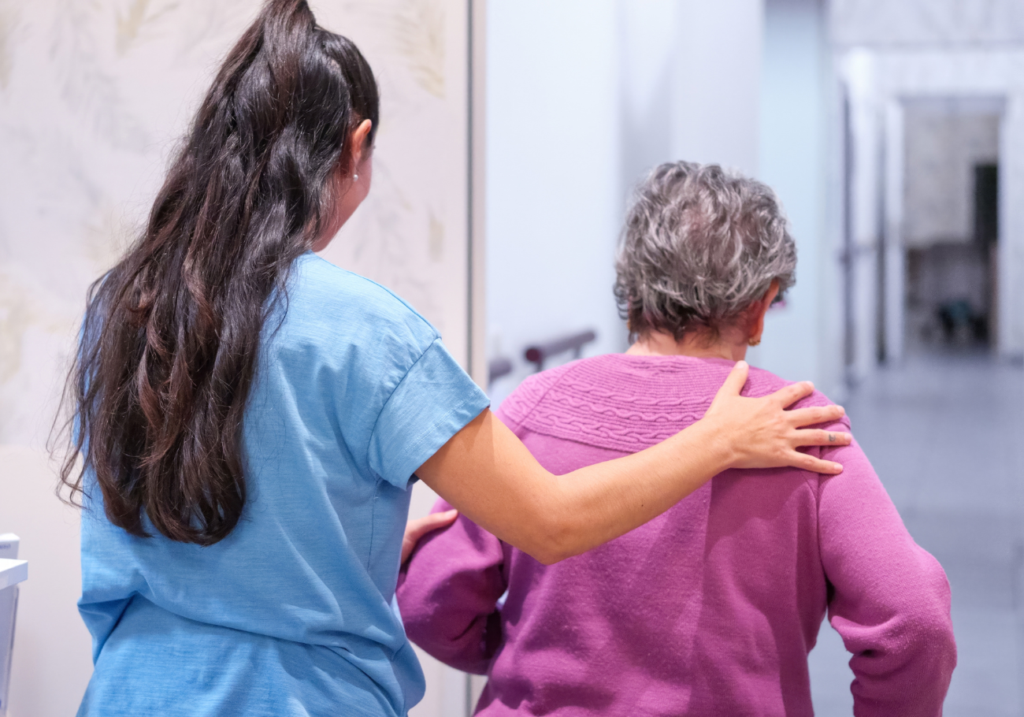
You can also progress into more clinical environments, such as hospitals or community healthcare teams.
Typical roles:
- Healthcare Assistant
- Porter
- Nursing Associate (with further study)
Responsibilities may include:
- Supporting nurses and healthcare professionals
- Monitoring patient wellbeing
- Assisting with recovery and daily care
This pathway is well suited to students who may want to progress into nursing or other medical professions in the future.
Why choose a career in care?
Working in Health and Social Care is more than just a job, it’s an opportunity to make a genuine difference every day.
No matter which path you choose – care homes, day centres, domiciliary care, or supported living – you’ll be preparing for a future where you can truly make an impact.
Learn more about our Health and Social Care courses
More articles

Inclusive Learning at EKC Folkestone College Builds Confidence, Skills and Friendships
Meet Chloe: Your Students’ Union President at EKC Folkestone College